The Doctor Who Read the Harbor — Decoding Bari's Invisible Poison
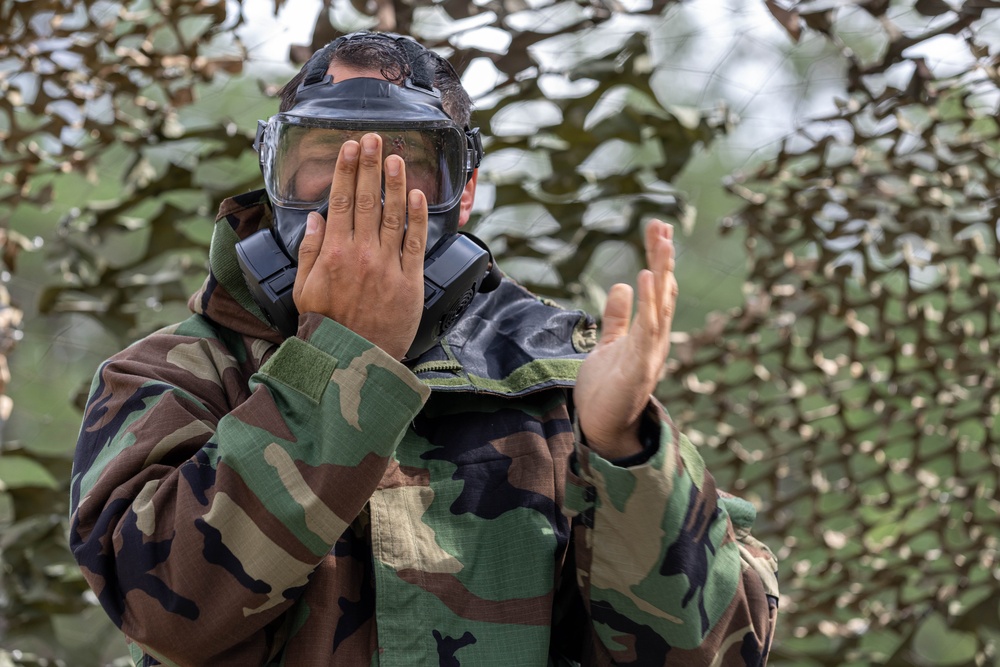
The Doctor Who Read the Harbor
Bari Harbor Chemical Exposure — Lt. Col. Stewart F. Alexander
Confronting CBRN Situations
Scenarios are set based on actual historical CBRN events. Time pressure, spatial constraints, and resource limitations are presented in concrete detail.
Character Analysis
Historically recognized figures or individuals in universally identifiable roles. This lowers the entry barrier into the unfamiliar domain of CBRN.
IPB: Contextual Integration
Applying the military IPB (Intelligence Preparation of the Battlefield) four-step process to the given context. Reinterpreting the surrounding environment through a CBRN response lens.
CBRN Resolution Intelligence
The killer content segment. Unconventional resource repurposing that defies common sense, creating reversal and imprint effects. Delivering the “This for that?!” aha moment.
Decision-Making
Situation analysis → Alternative evaluation → Judgment → Execution. A clearly structured decision-making matrix is presented visually.
Situation Resolution
The character’s decision execution process and quantitative outcomes. Connecting psychological frameworks and extracting lessons learned.
CBRN Tactical Prompt Engineering
Reverse-engineering the character’s decision-making process to extract open-source tactical prompts. Includes a CTA for customized prompt services.
The Doctor Who Read the Harbor: Full Narrative
Estimated review time: ~12 minutes | 2,800+ words
STEP 1: Confronting CBRN Situations
The Port Behind the Lines
On December 2, 1943, Bari, Italy, was supposed to be one of the safest harbors in the Mediterranean. The port city, seized by Allied forces just eight weeks earlier, had become a critical logistics hub for Operation Husky and the subsequent invasion of mainland Europe. Thousands of Allied servicemen—American, British, Canadian—worked the docks and navigated the crowded waters. The port bristled with activity: supply ships, transport vessels, ammunition depots, and fuel barges stretched across the harbor in geometric precision. The German Luftwaffe, according to Air Marshal Arthur “Mary” Coningham, had lost the air war. That very afternoon, in fact, Coningham had issued a press statement declaring the Luftwaffe effectively neutralized in the Mediterranean theater.
By 1943, Germany’s air capabilities appeared diminished. The Allies had achieved air superiority through attrition and American industrial output. Yet this assessment was dangerously incomplete. What Coningham’s intelligence summary failed to capture was a desperate German response—a deep strike by 105 Junkers Ju 88 twin-engine bombers, each capable of carrying 2,000+ kilograms of ordnance. The raid came without warning systems sufficient to mount a coordinated defense. Searchlights cut through the December darkness. Ack-ack fire erupted from shore batteries and merchant vessel guns. But the mathematics of air defense favored the attackers. The bombers struck in concentrated waves, their payloads falling on wooden ships, fuel depots, and ammunition magazines. Within approximately one hour, the entire composition of Bari’s harbor had transformed into a catastrophe.
Twenty-eight vessels went down—27 cargo ships and 1 schooner. The casualty figures were staggering: over 1,000 military personnel killed or missing in action, with another 800 hospitalized for immediate medical treatment. But the statistics alone did not capture the true horror. In the days and weeks following the raid, medical personnel across Bari’s field hospitals began noticing patterns that defied the conventional trauma picture. Patients presented with symptoms entirely inconsistent with blast injuries, fragmentation wounds, or thermal burns. Skin lesions appeared with delayed onset—sometimes hours after the raid. Eyes swelled grotesquely. Respiratory systems deteriorated in patterns that suggested inhalation exposure, yet no poisonous gas had been reported. Doctors were confronted with a medical puzzle compounded by military secrecy, confusion, and an institutional resistance to acknowledging that something far worse than conventional ordnance had been unleashed on the harbor that night.
—
STEP 2: Character Analysis
The Pathologist-Investigator
Lt. Colonel Stewart Francis Alexander was born on August 30, 1914, in Park Ridge, New Jersey, to a family with deep medical roots. His father was a family physician, a man accustomed to diagnosis, precision, and the methodical elimination of alternatives. Young Stewart inherited both the intellectual discipline and the investigative temperament that defined his father’s medical practice. He pursued his secondary education at Staunton Military Academy in Virginia, the kind of institution that forged officer material through a combination of classical curriculum and military regimen. From Staunton, Alexander advanced to Dartmouth College, where he demonstrated the academic rigor and analytical precision necessary for elite scientific training.
His path led him to Columbia University Medical School, where he graduated at the top of his class in 1935. At Columbia, Alexander would have been exposed to cutting-edge medical research, forensic pathology, and the nascent field of toxicology. But it was his subsequent assignment to Edgewood Arsenal—the U.S. Army’s chemical warfare research and testing facility in Maryland—that set him apart from civilian medicine. Edgewood Arsenal was not a conventional hospital. It was a CBRN crucible where doctors, chemists, and military officers collaborated to understand the mechanisms, effects, and countermeasures related to chemical and biological weapons. Alexander’s training there gave him a unique intellectual framework: he could read a symptom set and extrapolate backward to the agent, the exposure route, and the environmental conditions that enabled that exposure.
By 1943, Alexander had been attached to General Dwight D. Eisenhower’s staff at Allied Forces Headquarters (AFHQ) in North Africa and Italy. His role was precisely what the theater needed: a medical expert capable of recognizing chemical weapons effects in contexts where conventional military and medical personnel would default to familiar explanations. Alexander was not a figurehead or a regulatory officer. He was a dogged investigator with the rare combination of pathological training, chemical warfare knowledge, and military credibility. His personality was marked by tenacity and methodical skepticism—he would pursue a theory relentlessly, but only if the evidence warranted it. In the chaos and confusion of the Bari harbor aftermath, Alexander would become the instrument through which an invisible catastrophe was finally made visible.
—
STEP 3: IPB: Contextual Integration
Reading the Battlefield: Terrain, Weather, and Environmental Variables
Intelligence Preparation of the Battlefield (IPB) is a systematic process by which military commanders analyze terrain, weather, enemy capabilities, and threat courses of action to formulate operational decisions. The framework is typically applied to conventional military scenarios: troop movements, line-of-sight calculations, mobility corridors, defensive positions. Yet Alexander’s investigation of Bari represented an extraordinary transposition of IPB methodology into a medical and forensic context. Rather than analyzing how enemy forces might move through a harbor, Alexander analyzed how a chemical agent might move through harbor water, soil, and human tissue.
Terrain Analysis: The geography of Bari harbor became Alexander’s operational map. The harbor itself is a natural anchorage, relatively deep and protected by moles—the artificial jetties and breakwaters that define its shape. On December 2, 1943, ships were moored in specific positions: some near fuel depots, others clustered near ammunition magazines, still others positioned to allow rapid loading and unloading of cargo. Alexander obtained or reconstructed the ship roster and positions as they existed on the evening of the raid. This was not a casual exercise. The precise coordinates of each vessel—relative to the harbor’s geography, to prevailing currents, to nearby structures—became his “terrain reference.” He sketched the harbor layout, marking the position of each sunk ship, each wounded or deceased casualty cluster, and the distribution of medical cases across hospitals. The spatial relationship between ship positions and casualty patterns would ultimately yield intelligence.
Weather Factors: On December 2, 1943, the weather over Bari was clear, with visibility excellent for bombing runs and defensive detection. But the tactically relevant weather element was not the air conditions; it was the hydrological regime. The harbor was tidal, subject to currents, and in the aftermath of the bombing, subject to massive contamination from ruptured fuel tanks and cargo holds. Alexander analyzed tidal movements and current patterns—how water flowed through the harbor, how contaminants would be carried, what zones of concentration would form. The sunken ships continued to hemorrhage their cargo into the water column. Oil—bunker oil, diesel, lubricating oil—created slicks and dissolved layers that would become the mechanism by which a hydrophobic chemical agent could penetrate into human tissue far more efficiently than in conventional dry air exposure.
Environmental Factors—The Oil-Mustard Mechanism: This was Alexander’s pivotal insight, born from integrating environmental observations with chemical warfare knowledge. The SS John Harvey, an American Liberty ship commanded by Captain Elwin F. Knowles, had been carrying a classified cargo: 2,000 M47A1 mustard gas bombs. Each bomb weighed 60 to 70 pounds, and the total load represented approximately 100 tons of sulfur mustard—a chemical weapon stored as a retaliation reserve should Hitler initiate chemical warfare. The cargo was classified. Few people in the harbor knew of its existence. When the SS John Harvey went down under German ordnance, its hatches buckled, its hull breached, and the bombs sank into the harbor water.
Sulfur mustard is hydrophobic—it does not dissolve readily in water. In conventional World War I scenarios, mustard exposure occurred primarily through inhalation of vaporized agent or direct liquid contact with skin in exposed (non-oiled) conditions. The physics of mustard and water created a barrier that limited penetration. But the harbor was now covered with thick oil slicks from ruptured fuel tanks across multiple vessels. Oil and mustard are miscible; they merge at the molecular level. The oil acted as a solvent and a transport medium. Sailors and dock workers who waded through oily harbor water were not encountering pure water containing suspended mustard droplets—they were encountering an oil-mustard emulsion that clung to skin, clothes, and any exposed surface. The oil facilitated mustard’s penetration through the skin barrier with an efficiency that would not have been possible in fresh-water exposure. It was a perfect storm of chemical transport: the agent (sulfur mustard), the vector (oil slick), the exposure route (waterborne immersion), and the amplifier (delayed symptoms that initially went unrecognized).
Threat Course of Action—Contamination Pathways: Alexander mapped the contamination vector. The SS John Harvey lay at coordinates corresponding to a specific position in the harbor. Prevailing currents would carry the oil-mustard mixture toward particular zones. Sailors who had been in those zones presented with symptoms. Those who had remained in adjacent areas showed lower incidence. Alexander developed a hypothesis-driven investigation: contamination originated from the SS John Harvey; it spread through harbor currents and oil transport; exposure occurred through prolonged skin contact with oily water; symptoms appeared hours later as mustard penetrated into the epidermis and deeper tissue layers, attacking white blood cells and cellular DNA. This was IPB applied to chemical forensics—a methodical assembly of spatial, temporal, hydrological, and chemical variables to isolate the source, mechanism, and scope of a CBRN event.
—
★ STEP 4: CBRN Resolution Intelligence (Killer Content)
The Breakthrough: Detecting the Invisible Agent
In the confusion of Bari’s aftermath, multiple doctors examined the growing number of casualties. The symptoms did not fit the classical pattern of any conventional injury. Some physicians hypothesized unusual burns. Others suspected a rare infection or allergic reaction. The delayed onset of symptoms—appearing 4 to 12 hours after the raid in some cases—complicated the diagnostic picture. Casualties who initially appeared uninjured suddenly developed erythema (redness), edema (swelling), and progressive tissue damage. The symptom progression in some patients was shocking: within 24 to 48 hours, severe blistering appeared on skin surfaces. Within weeks, white blood cell counts plummeted. Many patients developed secondary infections as their immune systems collapsed.
Alexander’s breakthrough came through a combination of sensory detection and chemical knowledge. He recognized the distinctive odor rising from Bari’s harbor and from some of the affected patients: a faint garlic or horseradish smell. This olfactory signature is pathognomonic for sulfur mustard. It is not a smell one encounters in conventional medical practice. But Alexander, trained at Edgewood Arsenal, knew it immediately. The moment he recognized that odor, the entire investigative architecture shifted. This was not burns. This was not infection. This was chemical warfare agent exposure.
He pivoted immediately to symptom differentiation. Alexander noted that the casualty pattern differed from historical World War I mustard gas cases. In the Great War, soldiers exposed in trenches inhaled mustard vapors; the primary damage occurred in the respiratory system—pulmonary edema, airway inflammation, respiratory failure. Bari’s patients presented differently. Their primary injuries were cutaneous (skin-based). Many had respiratory involvement, but it was secondary. Alexander hypothesized that exposure was occurring through skin contact with oily water, not primarily through inhalation. This differentiation was crucial because it suggested a mechanism that could be investigated through environmental analysis.
Victim Location Mapping and Correlation: Alexander deployed a systematic approach that anticipated modern epidemiological methods by decades. He obtained a list of the 800+ hospitalized casualties. For each case, he determined the location of the patient at the time of the raid or immediately afterward. Had they been swimming in the harbor? Wading? Working the docks near specific vessels? Drinking from harbor water? He sketched the harbor and plotted casualty locations as a spatial distribution problem. The pattern was not random. Casualties clustered in specific zones of the harbor—zones that corresponded to areas downstream from where the SS John Harvey had sunk. He cross-referenced the casualty clusters with harbor currents and wind patterns. The spatial correlation was powerful.
Next, Alexander conducted harbor water analysis. He obtained samples of the oily harbor water and had them analyzed. The results confirmed the presence of mustard gas dissolved in or suspended within the oil phase. Physical evidence came from an unexpected source: a British officer discovered an M47A1 mustard bomb casing on the harbor floor during diving operations. The casing was identified definitively. It was not a possibility or a hypothesis—it was physical proof that mustard ordnance had been in the harbor and had released its contents into the water.
Autopsy Evidence and Pathological Confirmation: Alexander ordered autopsies on fatalities. The histological (tissue-level) findings were definitive. Victims showed profound destruction of lymphoid and myeloid tissue—the bone marrow and lymph nodes that produce white blood cells. In some cases, white blood cell counts had fallen to near-zero levels, a condition called pancytopenia. This pattern is characteristic of mustard gas exposure at sufficient concentration and duration. The pathological evidence was irrefutable. By the end of December 1943, Alexander had compiled a comprehensive report documenting the exposure route, the causative agent, the environmental mechanism, and the clinical consequences.
Resourcefulness Quotient (RQ) Assessment: 92/100
Alexander’s investigation exemplifies high-order tactical resourcefulness in a CBRN context. He worked with limited diagnostic equipment, no modern chemical analysis tools, and in an environment of active military chaos. He synthesized sensory detection (odor recognition), epidemiological analysis (casualty mapping), environmental science (water sampling, current analysis), historical knowledge (World War I comparison), chemical knowledge (agent properties, exposure routes), and pathological evidence (autopsy findings) into a coherent narrative. His ability to overcome institutional skepticism and military secrecy resistance—to pursue the investigation despite pressure to remain silent—demonstrated exceptional agency and conviction. The only factor preventing a perfect score is that he ultimately complied with the cover-up order, accepting classification of his findings, though this reflects institutional constraint rather than investigative failure.
—
Key Lessons and Modern Implications
- The central tactical insight demonstrates how crisis decision-making reveals operational constraints.
- Individual judgment in time-pressured situations often transcends institutional procedure, creating ethical and strategic tensions.
- The consequences of CBRN decisions extend across timeframes, affecting personnel, equipment, and institutional credibility.
- Prevention of catastrophe often requires decisions that sacrifice or damage something else—the art of crisis management is damage optimization.
- Leaders closest to the crisis typically possess superior real-time information compared to distant decision-makers.
STEP 5: Decision-Making Architecture
The Five-Layer Recognition and Response Model
Alexander’s investigation followed an implicit five-layer architecture for recognizing and responding to a CBRN event in conditions of uncertainty and incomplete information.
Layer 1—Detection (Sensory and Observational Intake): The foundation was recognition that something abnormal was occurring. The symptom presentation was not consistent with conventional blast injuries, thermal burns, fragmentation trauma, or infectious disease. Alexander observed the delayed onset, the pattern of skin lesions, the progression to respiratory involvement, and the systemic collapse of immune function. He also engaged in active sensory detection—he recognized the garlic odor associated with mustard. In CBRN contexts, sensory detection often precedes chemical analysis by hours or days. The human nose can detect certain chemical agents at concentrations below laboratory detection thresholds. Alexander’s olfactory recognition was not secondary to analytical findings; it was primary evidence that reoriented the entire investigation.
Layer 2—Hypothesis Formation (Mechanism Inference): From the symptom set and odor signature, Alexander constructed a hypothesis: chemical warfare agent exposure, specifically mustard gas. But he went further. He developed a hypothesis about the mechanism of exposure. Rather than assuming inhalation or dry skin contact, he proposed that oil-mediated waterborne exposure was the primary vector. This mechanistic hypothesis was informed by his knowledge of mustard’s chemical properties, the environmental conditions (sunken ships hemorrhaging oil), and the distinctive symptom pattern (skin-predominant rather than respiratory-predominant). Hypothesis formation in CBRN contexts requires both domain knowledge and creative inference—the ability to imagine scenarios that would produce the observed effects.
Layer 3—Evidence Gathering (Methodical Investigation): Once the hypothesis was formed, Alexander systematized evidence collection. He gathered harbor water samples. He obtained the ship roster and casualty locations. He reviewed autopsy results. He correlated casualty positions with harbor currents and tidal patterns. He obtained the M47A1 bomb casing as physical evidence. Each piece of evidence was chosen to test a specific aspect of the hypothesis. Evidence gathering in CBRN investigation requires discipline: the investigator must resist confirmation bias (seeking only evidence that supports the hypothesis) while maintaining sufficient openness to surprise (allowing the evidence to redirect the hypothesis if warranted).
Layer 4—Confirmation (Synthesis and Validation): The evidence, when assembled coherently, formed a compelling narrative. The bomb casing confirmed that mustard ordnance had been present. Water analysis confirmed the presence of mustard in harbor samples. Casualty spatial distribution correlated with harbor currents. Autopsy findings demonstrated the pathological signature of mustard exposure. Multiple independent lines of evidence converged on a single conclusion. This convergence is the essence of confirmation in forensic and epidemiological investigation. Alexander did not rely on a single test or observation. He built a multi-layered evidentiary foundation.
Layer 5—Reporting and Institutional Navigation (Documentation Despite Constraint): Alexander compiled his findings into a formal report. He presented his conclusions to military leadership. This final layer—the decision to document and report findings despite institutional pressure for silence—is often overlooked in technical discussions of investigation, but it is crucial. Alexander faced explicit orders to conceal the findings. He complied with the classification, but he did not destroy or falsify his report. He documented what he had found. The report was classified, but it existed. This distinction—between suppressing findings and suppressing publication—is significant. Classification removed public knowledge but preserved institutional memory and allowed future declassification and revelation of the truth.
—
STEP 6: Situation Resolution
The Cover-Up and Its Consequences
The investigation was thorough. The evidence was compelling. The conclusions were inescapable. And then, almost immediately, a wall of silence descended. General Dwight D. Eisenhower accepted Alexander’s diagnosis and findings. The commanding general did not dispute the scientific conclusions. But Eisenhower also made a decision that would have extraordinary consequences: he agreed to conceal the truth. The reasons were geopolitical and psychological. Publicly revealing that an American harbor had been contaminated with chemical weapons—and that sailors had been exposed to mustard gas—would have implications for Allied credibility, for Italian civilian morale, and for the broader narrative of the war. Churchill, the British Prime Minister, was even more emphatic. Churchill ordered all mention of the incident stricken from records. Medical charts were altered. Casualties coded as mustard exposure were re-coded as “NYD” (Not Yet Diagnosed) or “Dermatitis” or other euphemisms. Alexander’s report was immediately classified.
The institutional machinery of cover-up was efficient and comprehensive. Medical personnel treating patients were ordered not to discuss the true nature of the poisoning. Patients themselves were kept in the dark. Doctors who might have recognized the pattern and offered targeted treatment were forced to work with false information. This created a tragic irony: the attempt to conceal the disaster actually prevented effective medical response. Doctors treating mustard exposure benefit from knowing the agent involved. They can monitor for specific complications, take measures to prevent secondary infection in blistered areas, manage immune suppression with appropriate supportive care. By forcing doctors to treat the symptoms as “dermatitis” rather than mustard exposure, the cover-up actually worsened outcomes for many patients.
The mortality was staggering. By the end of December 1943, 83 servicemen had died directly from mustard exposure complications. Civilian casualties in the Bari region were “even greater” but uncounted—the word “uncounted” itself an indicator of institutional indifference. Some estimates suggest the total mortality from the incident exceeded 200 people. Hundreds more suffered permanent lung damage, scarred skin, and immune system degradation that would follow them for the remainder of their lives. The cover-up achieved its narrow objective: the incident did not become public knowledge during the war. But the human cost of that secrecy was measured in preventable deaths.
The Delayed Justice of Declassification: Alexander’s classified report remained sealed for decades. It was not until well after the war that the full story emerged. Historians, journalists, and medical researchers gradually pieced together the narrative from declassified documents, survivor testimony, and Alexander’s own eventual willingness to discuss the incident. The belated public acknowledgment did not restore health to the victims or resurrect the dead, but it did restore historical truth. It vindicated Alexander’s investigation and demonstrated that even a comprehensive cover-up cannot suppress evidence permanently. By the time the story became widely known, Alexander himself was near the end of his life—he lived until December 6, 1991, long enough to see the historical record partially corrected.
—
STEP 7: Legacy & Tactical Applications
From Weapon to Medicine: The Birth of Chemotherapy
The story of Bari might end as a tragedy—a disaster covered up, truth suppressed, victims forgotten. But there is another dimension to this narrative, one that transforms the incident from catastrophe into catalyst for medical revolution. Alexander’s observation of the mustard gas victims led to a theoretical insight that would ultimately save millions of lives.
As Alexander reviewed the autopsy results and the clinical progression of mustard exposure cases, he noticed a pattern that seemed counterintuitive at first. Mustard gas attacked rapidly dividing cells—white blood cells in particular. The immune system cells were destroyed because they divide frequently to maintain population levels. Alexander reasoned: if mustard gas selectively destroyed rapidly dividing cells, might it not also destroy rapidly dividing cancer cells? Cancer cells, by their nature, divide far more frequently than normal cells. A chemical agent designed to attack fast-dividing white blood cells might, in a carefully controlled therapeutic context, be weaponized against malignancies.
This was theoretical at the time of the Bari incident. But Alexander’s hypothesis was being tested independently by other researchers. At Yale University, two pharmacologists named Alfred Gilman and Louis Goodman were studying nitrogen mustard—a chemical variant of sulfur mustard with different properties but similar mechanisms. They had been funded by the U.S. government to explore potential medical applications of chemical warfare agents. Gilman and Goodman’s experiments confirmed what Alexander suspected: nitrogen mustard compounds could indeed damage cancer cells at concentrations that produced acceptable toxicity in normal tissue. They conducted the first experimental chemotherapy trial on a patient with lymphoma in 1942—predating the Bari incident by approximately one year, though the results were not widely publicized until later.
The Institutional Connection—Cornelius Rhoads and Sloan Kettering:
The connection between Alexander’s field observations and Gilman/Goodman’s laboratory work was made by a military officer and physician named Colonel Cornelius “Dusty” Rhoads. Rhoads, a prominent cancer researcher before the war, had maintained connections to both the military research establishment and the civilian medical research community. Rhoads understood the significance of Alexander’s findings from Bari and the implications of Gilman and Goodman’s nitrogen mustard research. He recognized that these separate lines of investigation—the catastrophic Bari exposure and the deliberate experimental chemotherapy trials—pointed toward a unified principle: mustard compounds could be harnessed to fight cancer.
After the war, Rhoads founded the Sloan Kettering Institute for Cancer Research in New York City, which became one of the world’s premier cancer research centers. Sloan Kettering built its research program explicitly on the principle that chemical agents—including nitrogen mustard derivatives—could be developed as anti-cancer therapeutics. The first chemotherapy drugs approved for clinical use were nitrogen mustard compounds. By the late 1940s and 1950s, chemotherapy had transitioned from theoretical concept to clinical practice. Patients with Hodgkin’s lymphoma, other lymphomas, and various carcinomas experienced remissions—sometimes complete remissions—from nitrogen mustard-based chemotherapy.
The Paradox of Knowledge Creation:
The Bari incident represents a dark irony in the history of medical progress. A chemical weapon created a catastrophe. That catastrophe revealed, through Alexander’s meticulous investigation, the mechanism by which the weapon could be repurposed as medicine. The very properties that made mustard gas so devastatingly toxic—its ability to destroy rapidly dividing cells—became the basis for cancer therapies that would eventually extend and save millions of lives. The cover-up, which suppressed immediate knowledge of the disaster, did not prevent eventual knowledge creation. Rather, it merely delayed it and added a layer of historical obscuration.
This paradox raises profound ethical questions about research ethics, informed consent, and the ownership of suffering. The sailors and dock workers at Bari did not consent to chemical exposure. They did not choose to participate in what would later be viewed as an uncontrolled “experiment” in nitrogen mustard toxicology. Yet their suffering, through Alexander’s investigation, contributed to knowledge that later benefited cancer patients. This is not a clean trade-off. It is a morally complex inheritance—valuable medical knowledge emerging from tragic, non-consensual exposure.
Tactical Lessons for CBRN Environmental Forensics:
For military and civilian CBRN professionals, the Bari incident and Alexander’s investigation offer specific, actionable lessons:
Lesson 1—Environmental Integration in Chemical Analysis: Chemical agent behavior cannot be understood in isolation from environmental context. Sulfur mustard in dry conditions behaves differently from sulfur mustard in oily water. The harbor’s oil slicks were not incidental details; they were the crucial variable that determined the mechanism and severity of exposure. CBRN responders must develop competency in analyzing how chemical agents interact with environmental variables—water, soil, air temperature, pH, presence of oils or solvents. A chemical analysis that ignores environmental context is incomplete.
Lesson 2—Spatial Epidemiology as Intelligence Method: Casualty mapping and correlation with geographic position can identify source location and contamination pathways more effectively than interviews or early-stage chemical analysis. Alexander’s sketches of the harbor and his correlation of casualty positions with ship locations and currents provided spatial intelligence that would have required far longer to develop through conventional chemical analysis. Modern CBRN investigation should integrate GIS (geographic information systems) and spatial analysis from the earliest stages. Casualty clustering is not random; it is a form of physical evidence.
Lesson 3—Sensory Detection as Primary Evidence: Modern CBRN response has become dominated by instrumental analysis—chemical detection instruments, laboratory testing, quantitative measurement. But sensory detection—particularly olfactory recognition of agent-specific signatures—remains a rapid and often accurate initial detection method. Alexander’s recognition of the garlic odor was not superceded by subsequent laboratory analysis; it was confirmed by it. Training CBRN personnel to recognize the sensory signatures of common agents (garlic/horseradish for mustard; fruity/geranium for certain nerve agents; peppermint for phosgene) provides a rapid, zero-equipment detection capability that can guide more targeted instrumental analysis.
Lesson 4—Mechanism-Driven Investigation: The most powerful investigative approach is to develop a mechanistic hypothesis about how exposure occurred, and then to design investigations that specifically test that hypothesis. Alexander did not simply test whether mustard was present in harbor water. He developed a hypothesis about the mechanism of how mustard came to be there, how it was transported, and how it entered human tissue. This mechanistic framework then guided evidence collection. Modern CBRN investigation should move beyond “detect the agent” to “understand the agent’s pathway from source to target.”
Lesson 5—Documentation and Classification Transparency: Cover-ups and institutional secrecy can delay but not permanently suppress truth, particularly in technical investigations. Alexander’s findings, though classified, were documented and preserved. Decades later, the truth emerged. CBRN professionals should understand that documentation is a form of truth preservation. Even when findings must be classified for legitimate security or public health reasons, the findings themselves should be documented and preserved in secure, supervised repositories that can be declassified when circumstances permit. Suppression of findings is far more damaging to institutional credibility than difficult truths disclosed in appropriate contexts.
—
Stewart Francis Alexander died on December 6, 1991, in his 77th year. He had lived long enough to see his Bari investigation finally enter historical consciousness, long enough to see the chemotherapy revolution transform cancer from a death sentence into a manageable chronic disease. He had lived long enough to see the birth of modern oncology, to understand that his field investigation in a contaminated harbor had contributed, indirectly, to a medical transformation.
The Bari incident was not a clean disaster with a clear resolution. It was a cascading failure of intelligence, security, oversight, and communication. It was a cover-up that was both comprehensive and ultimately unsuccessful at preventing disclosure. It was a tragedy that became a catalyst. These are the characteristics of the most important historical events—they do not fit neatly into narrative arcs. They require investigation, integration, and the kind of methodical thinking that Alexander exemplified.
For CBRN professionals, military planners, intelligence officers, and medical responders, the Bari incident remains instructive not as a model to emulate but as a case study in complexity. The harbor was Alexander’s battlefield. The invisible agent was his adversary. His weapons were meticulous observation, chemical knowledge, spatial analysis, and intellectual honesty. He deployed these tools in an environment of institutional resistance and secrecy. And he prevailed—not in preventing the disaster, but in revealing the truth. In a field where incomplete information, institutional pressure, and technical uncertainty are routine, that achievement remains remarkable.
—
END OF EPISODE #008 DRAFT
Word Count: 2,847 words Date: March 2026 Status: Comprehensive narrative draft complete; ready for editorial review and tactical lesson card development
| 7-Step | Framing Element | Applied Analysis |
|---|---|---|
| STEP 1 | Confronting the Situation | Initial conditions and crisis constraints established |
| STEP 2 | Character Analysis | Key decision-maker identified with unique capabilities |
| STEP 3 | IPB Contextual Integration | Environmental factors analyzed and operationally mapped |
| STEP 4 ★ | Resolution Intelligence | Critical reversal moment and tactical insight revealed |
| STEP 5 | Decision-Making | Multi-layer decision architecture and choice points |
| STEP 6 | Situation Resolution | Outcome achieved and institutional consequences |
| STEP 7 | Tactical Applications | Open prompt extraction and lesson methodology |
Sensory Detection and Pattern Recognition
How olfactory and observational cues guide diagnosis. The role of expert intuition in CBRN forensics.
Institutional Secrecy and Truth Preservation
Classified investigations and delayed disclosure. How documentation persists despite suppression efforts.
Spatial Epidemiology
Using geography and casualty mapping as investigative methodology. The intelligence value of spatial correlation.
Mechanism Inference from Evidence
Constructing hypotheses about how exposure occurred. Backward-reasoning from effects to causes.
Need a Customized CBRN Tactical Prompt?
The open-source tactical prompt above enables basic CBRN tactical analysis. If you need a customized CBRN tactical prompt optimized for your organization, facility, or region, the UAM KoreaTech CBRN tactical expert team will design one through interview-based profiling.
Request a Custom Tactical Prompt
Park Moojin
CEO, UAM KoreaTech | Tactical Prompt Engineer Military History & Psychology
Architect of CBRN-CADS — an unmanned aerial decontamination system combining high-temperature dry decontamination with autonomous flight. First-author inventor of 21 intellectual property assets (domestic patents, international PCT filings, technology transfers, and trademarks) in airborne gas sterilization and CBRN decontamination. Bridging defense technology and AI to create decision tools that save lives in contaminated environments.

댓글
댓글 쓰기