CBRN-CADS EP.07 — AI vs the Chemical Officer: When Machines Make Better Decisions
공유 링크 만들기
Facebook
X
Pinterest
이메일
기타 앱
CBRN-CADS · EPISODE 7 OF 10
7
AI vs the Chemical Officer
100 Years of Decision
👤 Col. Arthur Woods 📅 1915 📍 Ypres, Belgium → APE-600 Today 🌡 12°C 🌬 1.5 m/s NE ⏱ ~12 min read
Col. Arthur Woods
British Army, WW1 Chemical Service · WW1 Ypres → AI Age
📷 Soldier checks for chemical contamination using M8 paper during CBRN exercise — the modern equivalent of ‘smelling the wind.’ (DVIDS / U.S. Army) PUBLIC DOMAIN — U.S. Government Work. No copyright restrictions. Source: DVIDS (dvidshub.net)
STEP 1 · CONFRONTING CBRN SITUATIONS
Ypres, April 22, 1915
At 5 PM on April 22, 1915, German troops opened 5,730 cylinders of chlorine gas along a 6-kilometer front near the Belgian city of Ypres. A greenish-yellow cloud drifted toward French and Algerian positions. The soldiers had no gas masks, no chemical detection equipment, no doctrine for chemical defense. Within minutes, 5,000 were dead and 10,000 incapacitated. The age of chemical warfare had begun — and the need for someone to make sense of it.
STEP 2 · CHARACTER ANALYSIS
Col. Arthur Woods
Colonel Arthur Woods was among the first officers assigned to the hastily created Special Brigade — Britain’s chemical warfare response unit. His job was impossible by modern standards: detect chemical attacks using his senses (smell, sight, touch), determine the agent type, assess wind direction by watching smoke and flags, and issue protection orders — all within minutes, under fire, with zero instruments.
STEP 3 · IPB: CONTEXTUAL INTEGRATION
IPB: When Your Only Sensor Is Your Nose
Sensors available (1915): Human nose (unreliable — olfactory fatigue in 30 seconds), eyes (chlorine is visible; phosgene is not), wet chemical test papers (slow, inaccurate). Decision time: 2+ hours for wind shift detection. Error cost: wrong call = mass casualties. The chemical officer was simultaneously sensor, processor, and commander.
📷 TACP Airman during CAS training — the human element in the sensor-to-shooter chain. (DVIDS / U.S. Army National Guard) PUBLIC DOMAIN — U.S. Government Work. Source: DVIDS (dvidshub.net)
STEP 4 · ★ CBRN RESOLUTION INTELLIGENCE
★ 100 Years: Nose → Algorithm
1915: Colonel Woods detected chlorine by smell. 2026: APE-600 detects VX by ion mobility spectrometry in 0.3 seconds.
But Woods had something APE-600 doesn’t: intuition. The feeling that ‘something is wrong’ before any sensor confirms it. This is why CBRN-CADS includes HITL (Human-in-the-Loop) — the human can override AI at any point.
RQ 85/100 · HIGH
STEP 5 · DECISION-MAKING
The HITL Principle: Why AI Needs a Human Veto
APE-600 is faster and more accurate than any human chemical officer — in normal conditions. But chemical warfare rarely presents normal conditions. Contamination may be masked by industrial chemicals. Sensors may be degraded by temperature or humidity. The enemy may use novel agents not in the training database. In these edge cases, human judgment — Woods’ ‘something is wrong’ instinct — is the last line of defense.
STEP 6 · SITUATION RESOLUTION
The chemical officer’s role has evolved from Woods’ era but never disappeared. Modern CBRN officers use advanced detection equipment but still rely on judgment for ambiguous situations. APE-600 does not replace the chemical officer — it gives them superhuman speed while preserving their veto authority.
D
DETECT
▸
M
MAP
▸
D
DECON
▸
A
ASSESS
▸
V
VERIFY
STEP 7 · CBRN-CADS SIMULATION SCENARIO
🎯
APE-600 vs Human Chemical Officer: Decision Race
INTERACTIVE
1915년 인간 판단(2시간) vs 2026년 APE-600 AI(30초). 동일한 의사결정을 시간 비교합니다.
CAS ORIGINAL
CBRN-CADS
SELECT VARIABLE
Detection Method
Sensor Array
Agent
Test Scenario
Override
HITL Setting
▶ AI RECOMMENDATION
MODEAPE-600: Classified VX in 0.3 sec → Mode B recommended in 15 sec
CONFIDENCE94% (HITL: human veto available)
DURATIONTotal: 30 sec (vs 2+ hours human-only)
PARAMETERSRecommended: NTP + CHAD 220°C
ASSETSHITL override point: after classification, before execution
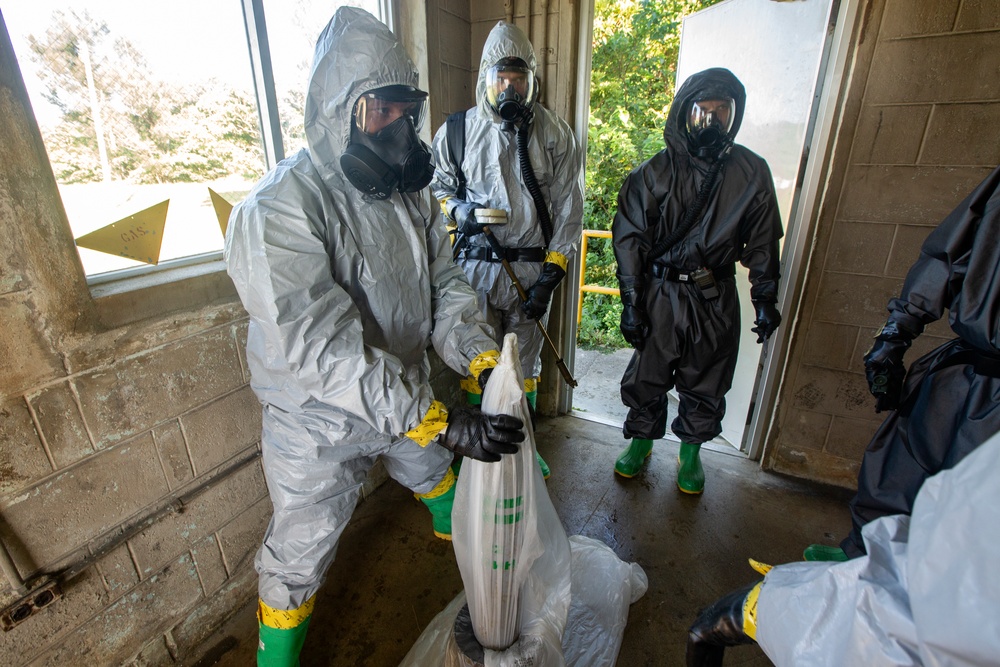
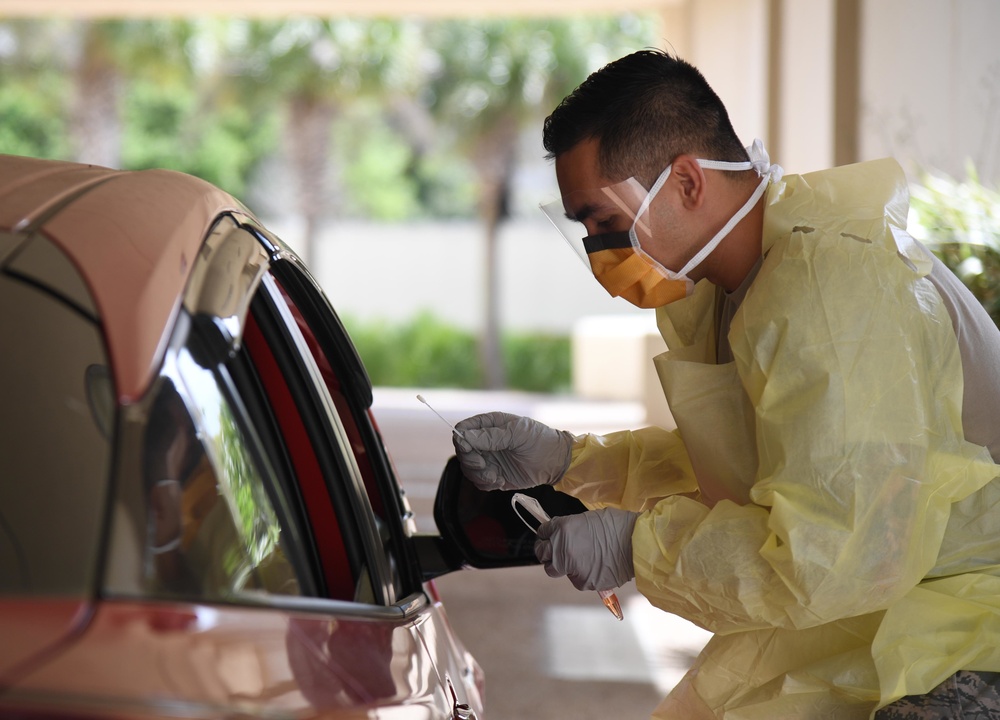
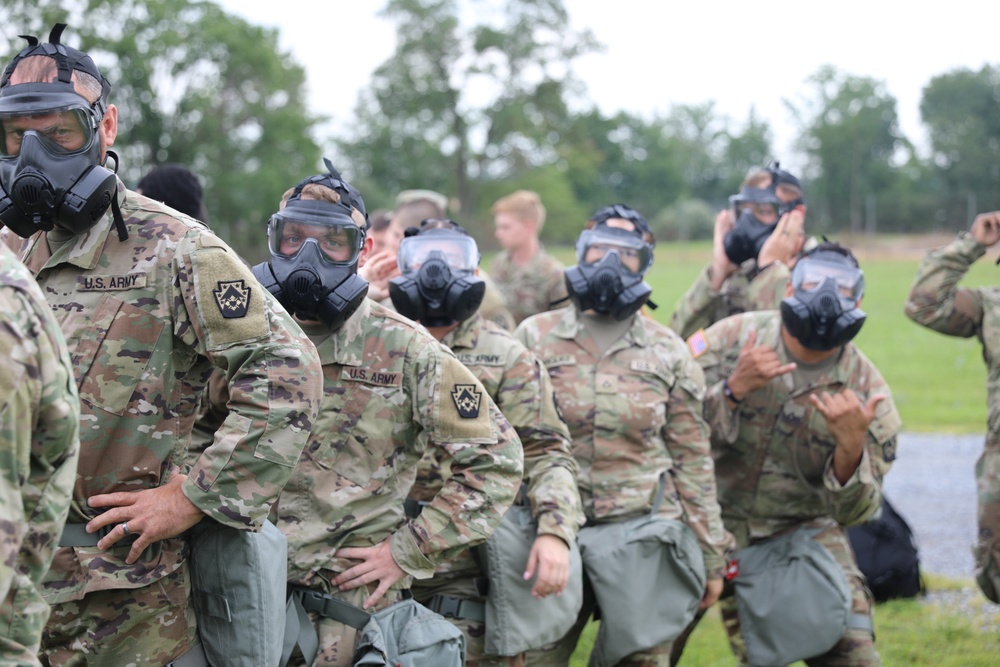
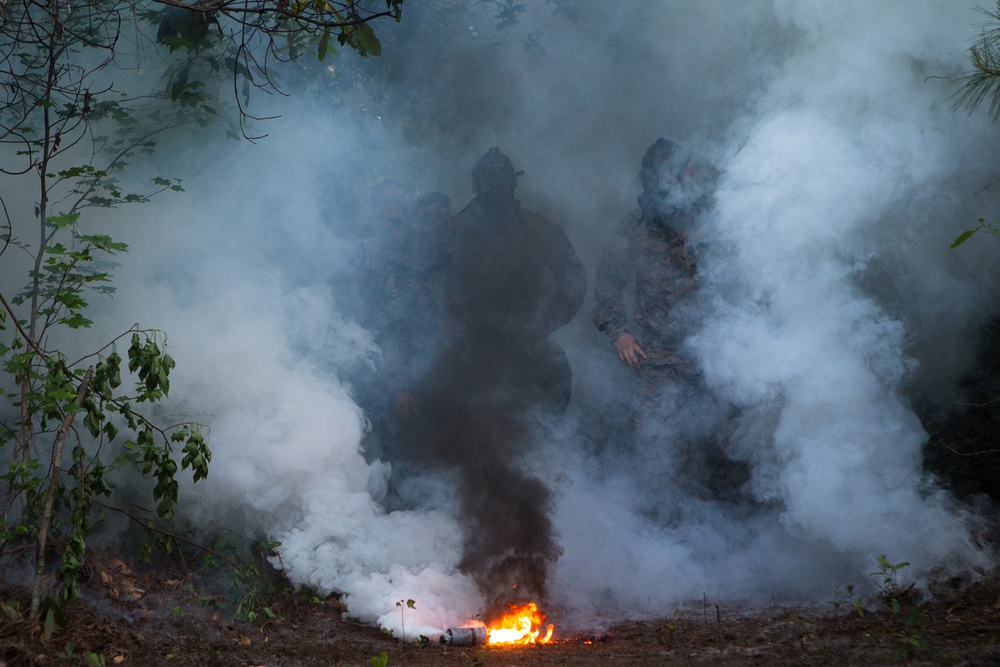
AI decision systems vs human chemical officers — the SDAV loop compressing OODA cycles. (USAF / Public Domain)Human chemical officers trained for decades — AI systems matching their expertise in minutes. (U.S. Army / Public Domain)Autonomous AI platforms augmenting human CBRN decision-making with explainable AI interfaces. (USAF / Public Domain)
CBRN-CADS ANALYSIS CHEMEX-26: 발트해 최대 CBRN 훈련이 드러낸 NATO의 자율 제독 공백 “30명이 6시간 걸리던 제독을, 1대의 드론이 37분에 끝낸다” 🕐 2026.03.23 ✍️ Mujin Park 🏆 UAM KoreaTech 📖 10 min read KEY INSIGHT 83% 제독 시간 단축 CHEMEX-26이 드러낸 수동 제독의 한계 — CBRN-CADS 자율 시스템은 기존 6시간 소요 공정을 37~60분으로 83% 단축합니다 BLOCK 2 — HISTORICAL ANCHOR Gruinard Island, 1942: 생물무기 실험이 남긴 48년의 교훈 1942년 영국은 스코틀랜드 Gruinard Island에서 탄저균(Bacillus anthracis) 생물무기 실험을 실시했습니다. 실험 후 섬 전체가 오염되었고, 최종 제독에는 280톤의 포름알데히드 용액과 2,000톤의 표토 제거가 필요했습니다. 제독 완료까지 48년(1942~1990)이 걸렸습니다. 이 사례는 대규모 CBRN 오염에 대한 수동 제독의 근본적 한계를 보여줍니다. 오늘날에도 NATO의 CHEMEX-26 훈련에서 동일한 패턴이 반복되고 있습니다 — 인력 의존, 시간 초과, 교차 오염 리스크. ① Inner Landscape 극한의 인내심과 절박함 48년간 출입 금지된 섬. 제독 실패의 트라우마가 영국 CBRN 정책의 근간을 형성 ② Environmental Read 냉전 생물무기 경쟁 미·소 생물무기 프로그램 경쟁 속에서 실전 제독 능력의 전략적 가치 부각 ③ Differential Factor 화학적 제독의 물리적 한계 포름알데히드 살포만으로는 토양 깊이 침투 불가. 표토 제거라는 극단적 방법 선택 ④ Modern Bridge → CBRN-CADS BLIS-D...

댓글
댓글 쓰기