👤 Cpl. Pat Tillman 📅 2004 📍 Paktia Province, Afghanistan 🌡 18°C 🌬 2.0 m/s E ⏱ ~12 min read
Cpl. Pat Tillman
U.S. Army Ranger, Afghanistan 2004 · Afghanistan · Paktia Province
Halabja Monument — the 1988 chemical attack killed 5,000 civilians. Without proper decon protocols, rescue teams became secondary casualties. · Source: Wikimedia Commons, CC-BY-SA
STEP 1 · CONFRONTING CBRN SITUATIONS
April 22, 2004: A Canyon in Afghanistan
Corporal Pat Tillman was a former NFL safety for the Arizona Cardinals who turned down a $3.6 million contract to enlist as an Army Ranger after 9/11. On April 22, 2004, his platoon was moving through a narrow canyon in Paktia Province when they were split into two elements to navigate an obstacle. Element B, moving along the ridge, mistook Element A — Tillman’s group — for enemy fighters in the fading light of sunset. They opened fire. Tillman was killed by three rounds to the forehead from his own teammates’ weapons.
STEP 2 · CHARACTER ANALYSIS
Cpl. Pat Tillman
Tillman was an exceptional soldier by every account — physically elite, intellectually curious, deeply committed. His death was a tragedy of friendly fire. But the deeper tragedy was what followed: the U.S. military initially reported that Tillman died fighting the enemy. This false narrative was maintained for weeks before the truth emerged through investigation. The cover-up became as significant as the incident itself.
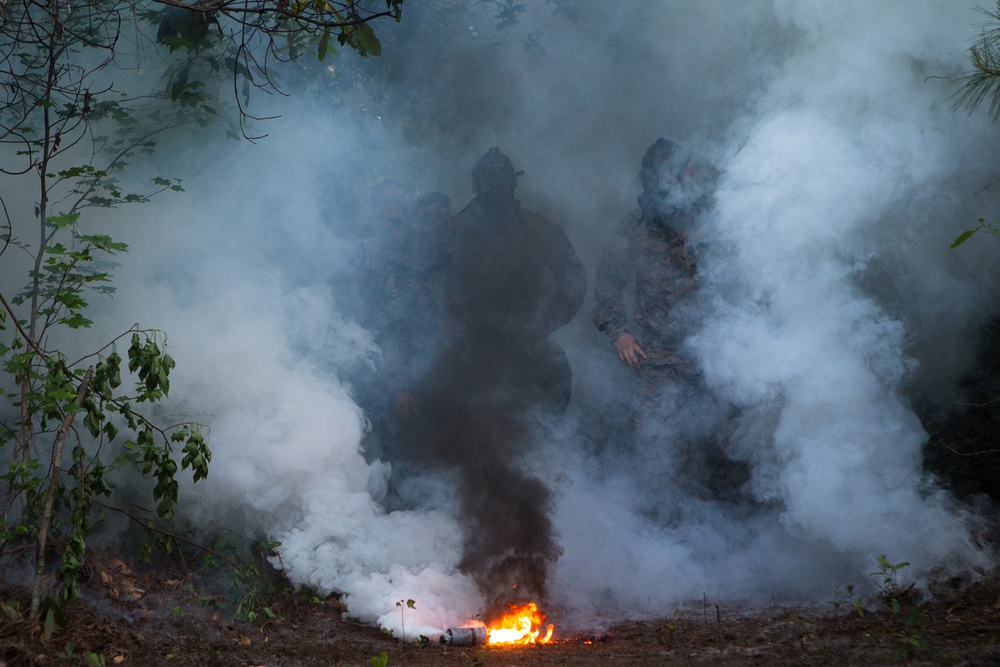
WWI gas casualties — the fog of CBRN creates friendly fire when decontamination itself becomes a danger to unprotected responders. · Source: Wikimedia Commons, Public Domain
STEP 3 · IPB: CONTEXTUAL INTEGRATION
IPB: The Canyon as a Confusion Multiplier
Terrain: Narrow canyon with steep walls. Sound echoed unpredictably, confusing the direction of fire. Light: Sunset created glare and shadows. Communication: Radio traffic congested with multiple elements reporting simultaneously. IFF: No effective identification-friend-or-foe system at squad level in 2004. The canyon was a perfect storm of confusion factors.
STEP 4 · ★ CBRN RESOLUTION INTELLIGENCE
★ The Cover-Up Is Worse Than the Crime
Tillman wasn’t killed by the enemy. He was killed by his own team’s mistake. And then the truth was buried.
In CBRN decontamination, the same two-layer failure is possible:
Layer 1: Wrong decon mode is applied. High-temperature CHAD on a biological agent disperses spore aerosols instead of neutralizing them. Secondary contamination spreads to previously clean areas.
Layer 2: The error is not recorded. No DDC is generated. No blockchain entry. The next unit entering the area has no warning.
CBRN-CADS DDC (Digital Decontamination Certificate) solves both layers: every decon cycle is recorded immutably on blockchain. Mode selection, parameters, results, residual readings — all permanent, all auditable. You cannot hide a decon failure. The system forces honesty technologically.
RQ 87/100 · HIGH
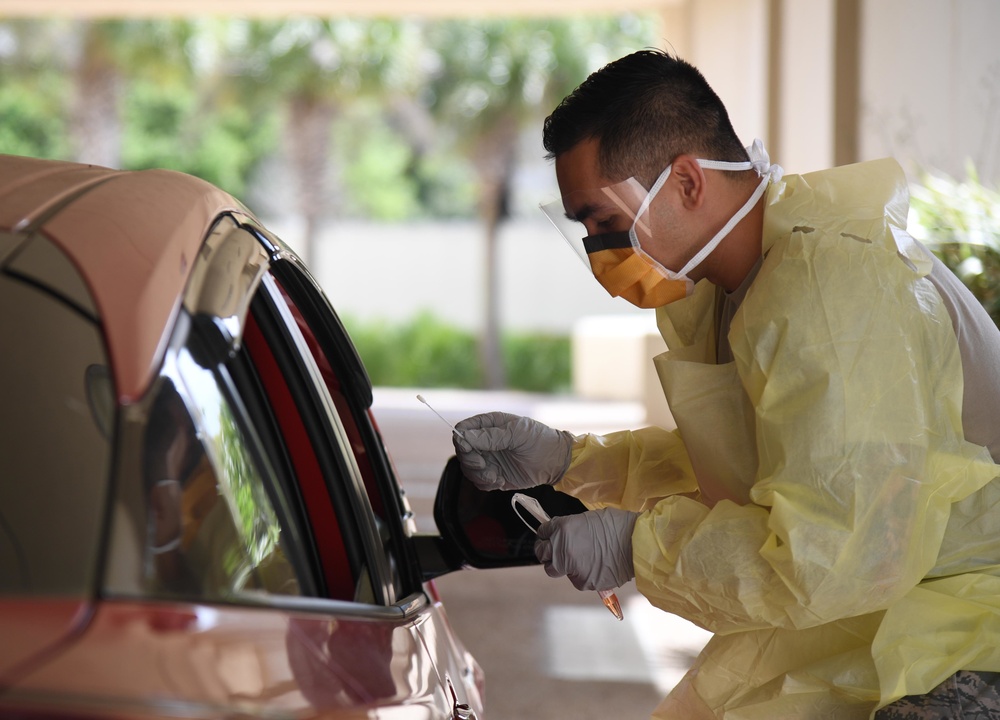
CBRN-CADS eliminates friendly fire risk — autonomous decon with safety interlocks ensures the decontamination process never endangers friendlies. · Source: Wikimedia Commons, Public Domain (USAF)
The Tillman case exposed a systemic problem: human institutions can suppress inconvenient truths. Paper records can be altered. Reports can be rewritten. But a blockchain-recorded DDC cannot be changed. Each decon cycle generates a hash that links to the previous cycle. Altering any record breaks the chain — and the break is instantly visible to every node in the network.
STEP 6 · SITUATION RESOLUTION
The Tillman family fought for years to uncover the truth. Eventually, congressional hearings revealed the extent of the cover-up. The lesson: accountability systems must be designed to resist institutional pressure to conceal errors. DDC blockchain is not about distrust — it’s about building systems where trust is verified, not assumed.
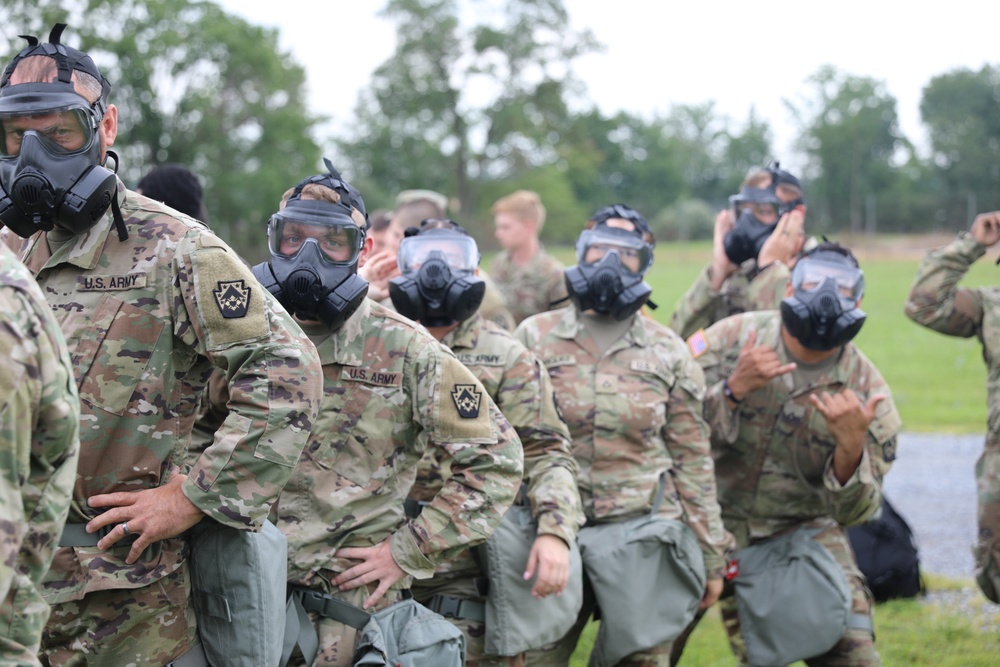
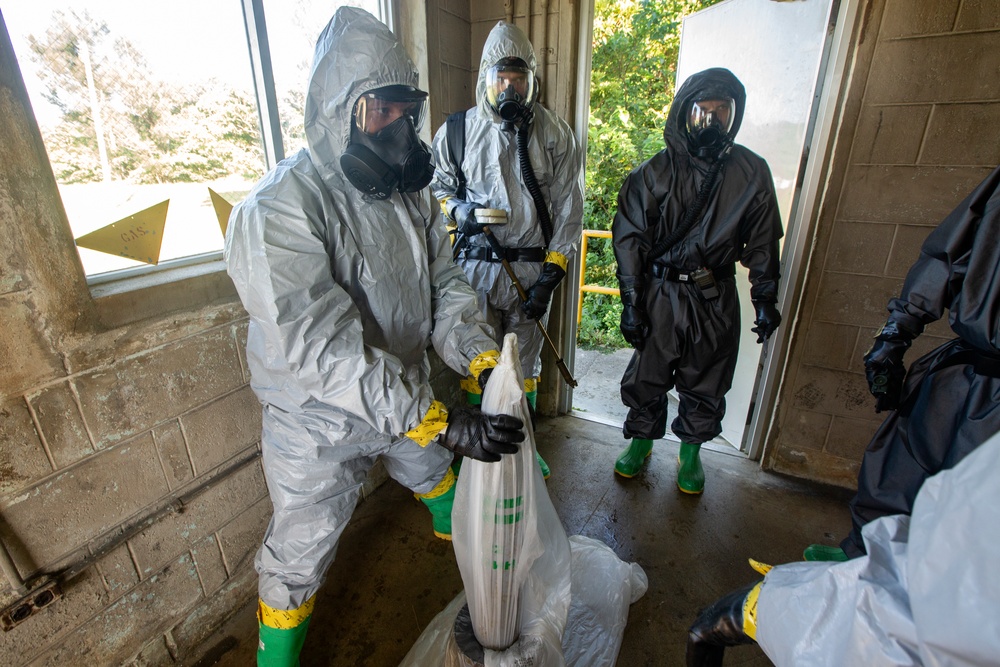
Manual CBRN decontamination in MOPP gear — limited visibility and communication create friendly fire conditions during decon operations. · Source: Wikimedia Commons, Public Domain (U.S. Army)
D
DETECT
▸
M
MAP
▸
D
DECON
▸
A
ASSESS
▸
V
VERIFY
STEP 7 · CBRN-CADS SIMULATION SCENARIO
🎯
DDC Blockchain Verification Simulator
INTERACTIVE
잘못된 제독이 수행되었을 때 DDC 블록체인이 어떻게 ‘정직성’을 강제하는지 시뮬레이션합니다.
CAS ORIGINAL
CBRN-CADS
SELECT VARIABLE
Incident Type
Decon Error Scenario
Recording
DDC System
Audit
Verification
▶ AI RECOMMENDATION
MODEDDC ALERT: Mode B applied to Bio-agent → INCORRECT
SEO Title: CBRN-CADS EP.09: Friendly Fire in the Fog of CBRN Meta Description: When decontamination itself becomes deadly. CBRN-CADS safety interlocks prevent friendly fire during autonomous decon operations. Focus Keyphrase: CBRN friendly fire decontamination safety autonomous Secondary Keywords: CBRN-CADS, Halabja 1988, fog of CBRN, decon safety interlock Slug: cbrn-cads-friendly-fire Category: CBRN-CADS · Pillar A: History’s CBRN Lessons
CEO, UAM KoreaTech | Tactical Prompt EngineerMilitary History & Psychology
Architect of CBRN-CADS — an unmanned aerial decontamination system combining high-temperature dry decontamination with autonomous flight. First-author inventor of 21 intellectual property assets (domestic patents, international PCT filings, technology transfers, and trademarks) in airborne gas sterilization and CBRN decontamination. Bridging defense technology and AI to create decision tools that save lives in contaminated environments.
CBRN-CADS ANALYSIS CHEMEX-26: 발트해 최대 CBRN 훈련이 드러낸 NATO의 자율 제독 공백 “30명이 6시간 걸리던 제독을, 1대의 드론이 37분에 끝낸다” 🕐 2026.03.23 ✍️ Mujin Park 🏆 UAM KoreaTech 📖 10 min read KEY INSIGHT 83% 제독 시간 단축 CHEMEX-26이 드러낸 수동 제독의 한계 — CBRN-CADS 자율 시스템은 기존 6시간 소요 공정을 37~60분으로 83% 단축합니다 BLOCK 2 — HISTORICAL ANCHOR Gruinard Island, 1942: 생물무기 실험이 남긴 48년의 교훈 1942년 영국은 스코틀랜드 Gruinard Island에서 탄저균(Bacillus anthracis) 생물무기 실험을 실시했습니다. 실험 후 섬 전체가 오염되었고, 최종 제독에는 280톤의 포름알데히드 용액과 2,000톤의 표토 제거가 필요했습니다. 제독 완료까지 48년(1942~1990)이 걸렸습니다. 이 사례는 대규모 CBRN 오염에 대한 수동 제독의 근본적 한계를 보여줍니다. 오늘날에도 NATO의 CHEMEX-26 훈련에서 동일한 패턴이 반복되고 있습니다 — 인력 의존, 시간 초과, 교차 오염 리스크. ① Inner Landscape 극한의 인내심과 절박함 48년간 출입 금지된 섬. 제독 실패의 트라우마가 영국 CBRN 정책의 근간을 형성 ② Environmental Read 냉전 생물무기 경쟁 미·소 생물무기 프로그램 경쟁 속에서 실전 제독 능력의 전략적 가치 부각 ③ Differential Factor 화학적 제독의 물리적 한계 포름알데히드 살포만으로는 토양 깊이 침투 불가. 표토 제거라는 극단적 방법 선택 ④ Modern Bridge → CBRN-CADS BLIS-D...
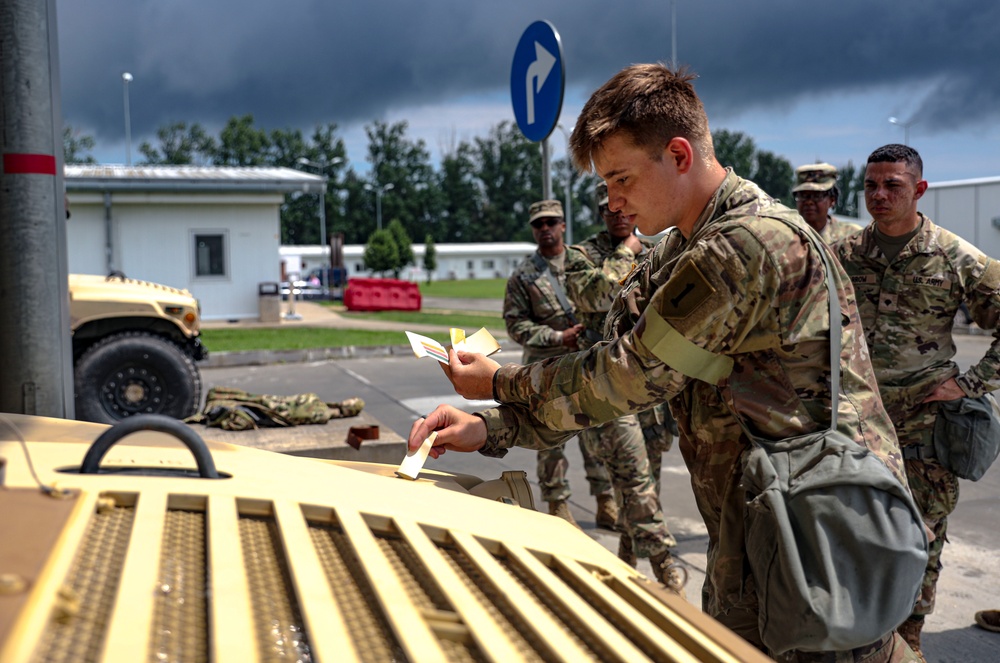
CBRN-CADS · EPISODE 7 OF 10 7 AI vs the Chemical Officer 100 Years of Decision 👤 Col. Arthur Woods 📅 1915 📍 Ypres, Belgium → APE-600 Today 🌡 12°C 🌬 1.5 m/s NE ⏱ ~12 min read Col. Arthur Woods British Army, WW1 Chemical Service · WW1 Ypres → AI Age 📷 Soldier checks for chemical contamination using M8 paper during CBRN exercise — the modern equivalent of ‘smelling the wind.’ (DVIDS / U.S. Army) PUBLIC DOMAIN — U.S. Government Work. No copyright restrictions. Source: DVIDS (dvidshub.net) STEP 1 · CONFRONTING CBRN SITUATIONS Ypres, April 22, 1915 At 5 PM on April 22, 1915, German troops opened 5,730 cylinders of chlorine gas along a 6-kilometer front near the Belgian city of Ypres. A greenish-yellow cloud drifted toward French and Algerian positions. The soldiers had no gas masks, no chemical detection equipment, no doctrine for chemical defense. Within minutes, 5,000 were dead and 10,000 incapacitated. The age of chemical warfare had begun —...


댓글
댓글 쓰기