CBRN-CADS EP.06 — Iron Dome → Decon Dome: The Shield That Falls From the Sky
공유 링크 만들기
Facebook
X
Pinterest
이메일
기타 앱
CBRN-CADS · EPISODE 6 OF 10
6
Iron Dome → Decon Dome
The Shield That Falls From the Sky
👤 Dr. Daniel Gold 📅 2011 📍 Sderot, Southern Israel 🌡 28°C 🌬 2.5 m/s NW ⏱ ~12 min read
Dr. Daniel Gold
Israeli MoD, Iron Dome Chief Developer · Israel Defense · Sderot
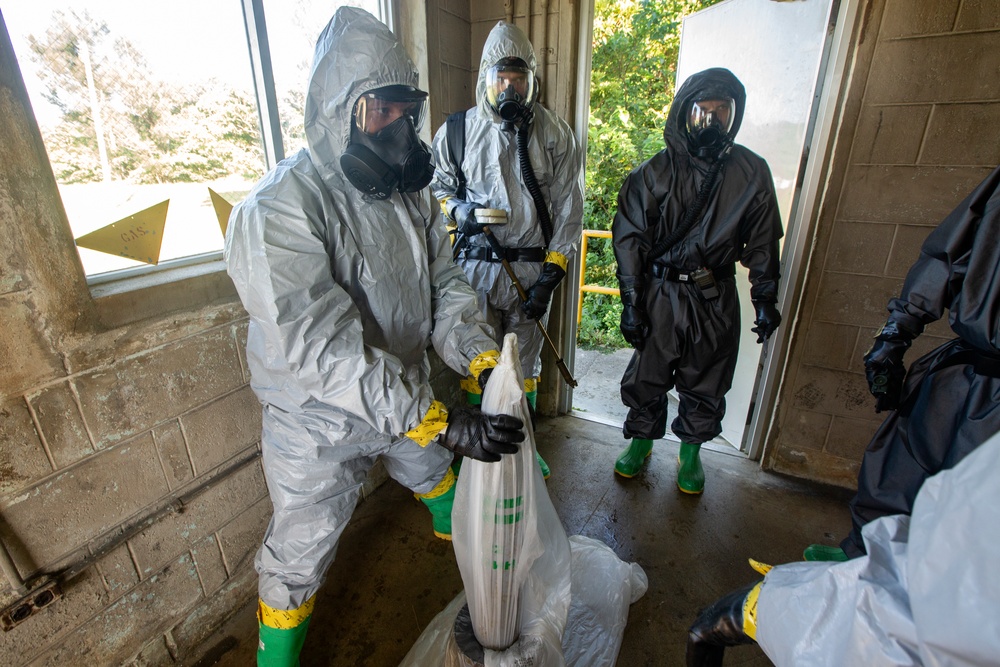
📷 3-1 Assault Helicopter Battalion conducts CBRN decontamination training at Mihail Kogalniceanu Air Base, Romania. (DVIDS / U.S. Army) PUBLIC DOMAIN — U.S. Government Work. No copyright restrictions. Source: DVIDS (dvidshub.net)
STEP 1 · CONFRONTING CBRN SITUATIONS
2007: Building the Impossible Shield
When Dr. Daniel Gold proposed intercepting short-range rockets — Qassam and Grad missiles with flight times of 15-45 seconds — the Israeli defense establishment said it was impossible. The rockets were too cheap ($300 each) to justify expensive interceptors. The flight times were too short for human decision-making. The physics of hitting a small, fast-moving target with another small, fast-moving projectile seemed insurmountable. Gold built it anyway.
STEP 2 · CHARACTER ANALYSIS
Dr. Daniel Gold
Gold was not a military commander but an engineer-bureaucrat — head of the Israel Ministry of Defense’s R&D directorate (MAFAT). His power was budgetary and institutional, not operational. He diverted funding, overrode objections from senior military leaders, and personally shepherded the project through development. When told ‘it can’t be done,’ he answered: ‘We’ll see.’
STEP 3 · IPB: CONTEXTUAL INTEGRATION
IPB: The 15-Second Decision Window
Threat: Hamas/Hezbollah rockets, 15-45 sec flight time. Decision window: ~0.5 seconds for intercept calculation. No human can process this fast enough. The system MUST be automated.
Iron Dome’s loop: Detect → Classify → Decide → Launch → Assess. Fully automated. 90%+ intercept rate. The key innovation: the system automatically calculates whether a rocket will hit a populated area. If not, it doesn’t waste an interceptor.
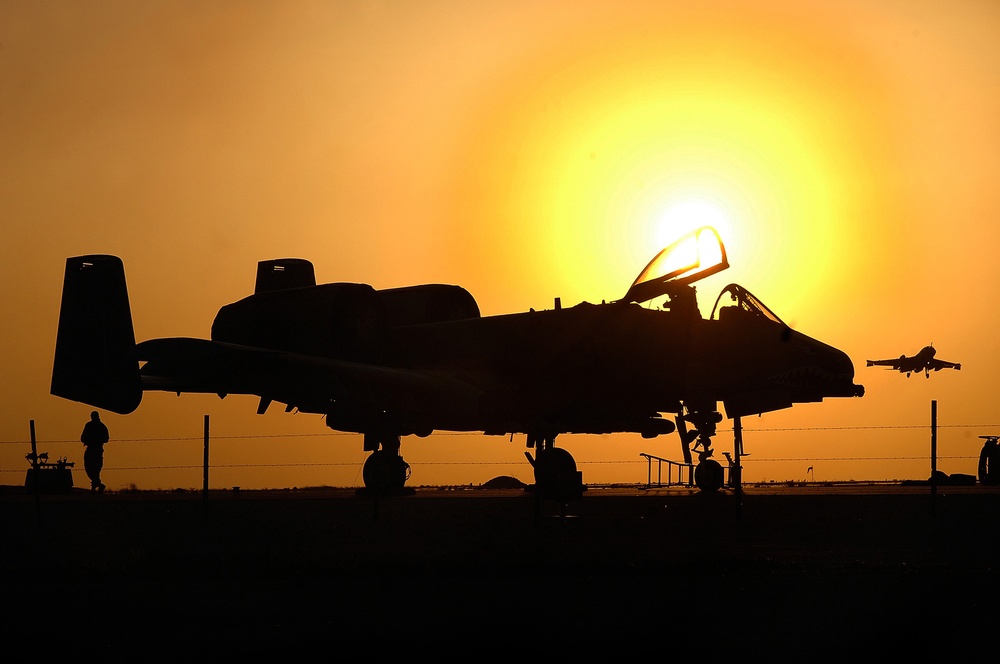
📷 A-10 Warthog maintenance crews at Al Asad Air Base, Iraq — 10 CAS sorties daily providing top cover. (DVIDS / U.S. Air Force) PUBLIC DOMAIN — U.S. Government Work. Source: DVIDS (dvidshub.net)
STEP 4 · ★ CBRN RESOLUTION INTELLIGENCE
★ Same Architecture, Different Threat
Iron Dome intercepts missiles. DECON DOME intercepts contamination.
The architectural parallel is exact:
Iron Dome: Detect rocket → Classify threat level → Auto-decide intercept → Launch Tamir missile → Assess result
Both systems solve the same fundamental problem: the threat moves faster than human decision-making. Automation is not optional — it is the only solution.
RQ 88/100 · HIGH
STEP 5 · DECISION-MAKING
Automated Defense: The Trust Problem
Iron Dome required Israeli society to trust a machine with life-or-death decisions — specifically, the decision NOT to intercept a rocket that the algorithm predicts will land in an open field. This ‘negative decision’ — choosing not to act — parallels Petrov’s choice in Episode A1. DECON DOME faces the same trust challenge: the system must decide when to deploy (consuming resources) and when to wait.
STEP 6 · SITUATION RESOLUTION
Iron Dome has intercepted thousands of rockets since 2011, saving countless lives. It proved that automated defense systems work — that machines can make life-or-death decisions faster and more accurately than humans in certain contexts. DECON DOME applies this lesson to CBRN: when contamination is detected, the shelter deploys automatically, pressurizes, and filters — protecting everyone inside before a human could even process the alarm.
D
DETECT
▸
M
MAP
▸
D
DECON
▸
A
ASSESS
▸
V
VERIFY
STEP 7 · CBRN-CADS SIMULATION SCENARIO
🎯
DECON DOME Auto-Deploy Simulator
INTERACTIVE
Iron Dome의 자동 요격 루프를 DECON DOME의 자동 오염 차단 루프와 병렬 비교합니다.
CAS ORIGINAL
CBRN-CADS
SELECT VARIABLE
Threat Speed
Contamination Speed
Response
DECON DOME Mode
Protection
Shelter Config
▶ AI RECOMMENDATION
MODEDECON DOME: Full Auto Deploy
CONFIDENCEHIGH — 2.3 sec detect-to-pressurize
DURATIONSustained until all-clear
PARAMETERS+50Pa positive pressure maintained
ASSETSHEPA H14 (99.995%) + Air curtain 8m/s
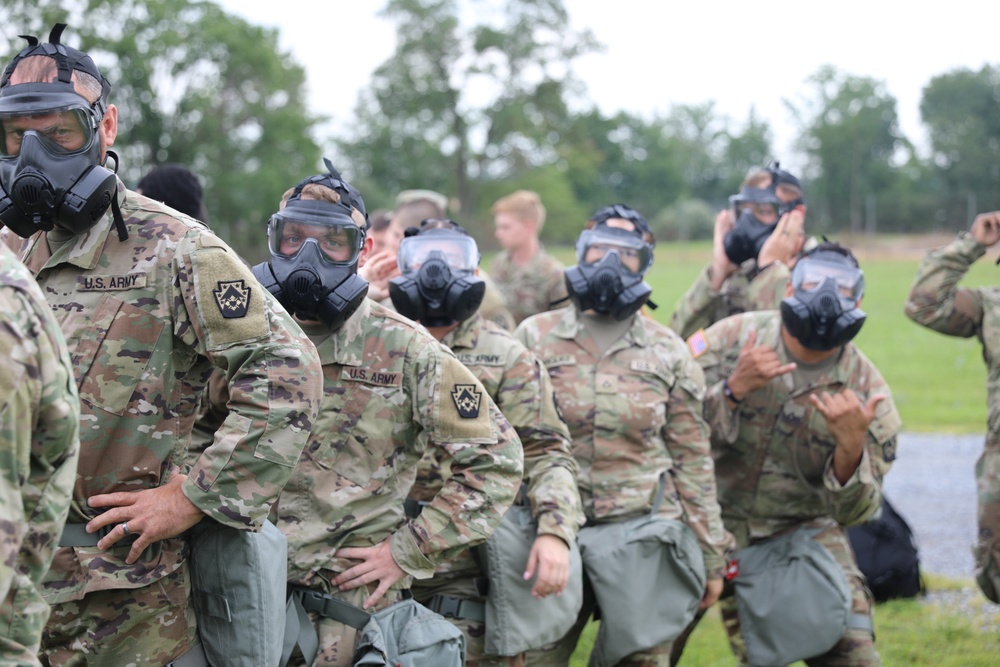
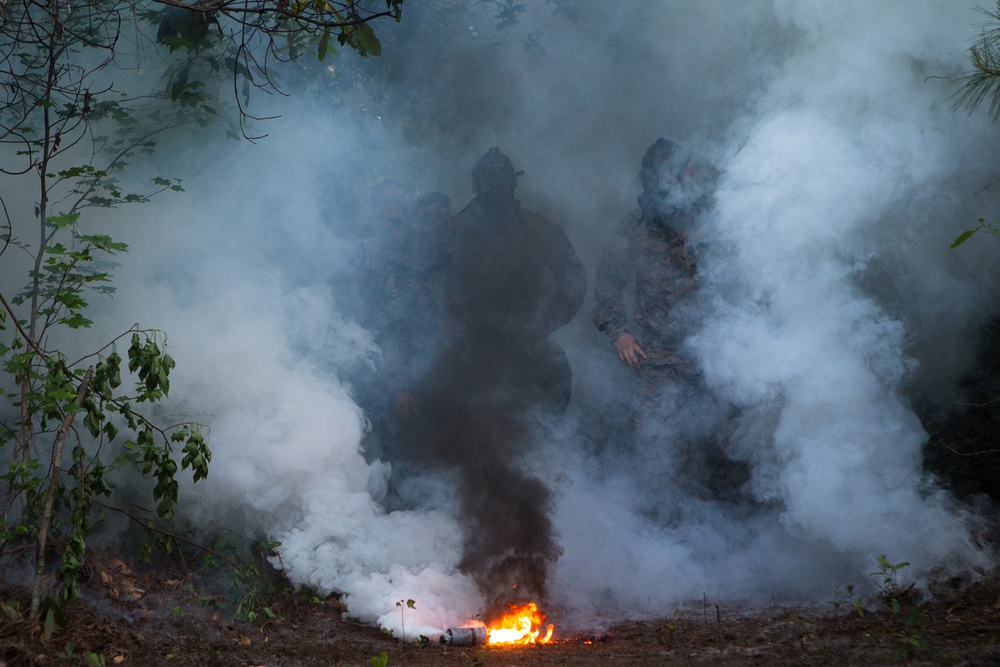
Iron Dome intercepting threats over Ashdod — the defensive architecture that inspires CBRN-CADS Decon Dome. (IDF / CC BY-SA)From missile defense to decontamination defense — building an autonomous protective dome over contaminated zones. (U.S. Army / Public Domain)Autonomous platforms transitioning from kinetic defense to CBRN decontamination defense architecture. (USAF / Public Domain)
CBRN-CADS ANALYSIS CHEMEX-26: 발트해 최대 CBRN 훈련이 드러낸 NATO의 자율 제독 공백 “30명이 6시간 걸리던 제독을, 1대의 드론이 37분에 끝낸다” 🕐 2026.03.23 ✍️ Mujin Park 🏆 UAM KoreaTech 📖 10 min read KEY INSIGHT 83% 제독 시간 단축 CHEMEX-26이 드러낸 수동 제독의 한계 — CBRN-CADS 자율 시스템은 기존 6시간 소요 공정을 37~60분으로 83% 단축합니다 BLOCK 2 — HISTORICAL ANCHOR Gruinard Island, 1942: 생물무기 실험이 남긴 48년의 교훈 1942년 영국은 스코틀랜드 Gruinard Island에서 탄저균(Bacillus anthracis) 생물무기 실험을 실시했습니다. 실험 후 섬 전체가 오염되었고, 최종 제독에는 280톤의 포름알데히드 용액과 2,000톤의 표토 제거가 필요했습니다. 제독 완료까지 48년(1942~1990)이 걸렸습니다. 이 사례는 대규모 CBRN 오염에 대한 수동 제독의 근본적 한계를 보여줍니다. 오늘날에도 NATO의 CHEMEX-26 훈련에서 동일한 패턴이 반복되고 있습니다 — 인력 의존, 시간 초과, 교차 오염 리스크. ① Inner Landscape 극한의 인내심과 절박함 48년간 출입 금지된 섬. 제독 실패의 트라우마가 영국 CBRN 정책의 근간을 형성 ② Environmental Read 냉전 생물무기 경쟁 미·소 생물무기 프로그램 경쟁 속에서 실전 제독 능력의 전략적 가치 부각 ③ Differential Factor 화학적 제독의 물리적 한계 포름알데히드 살포만으로는 토양 깊이 침투 불가. 표토 제거라는 극단적 방법 선택 ④ Modern Bridge → CBRN-CADS BLIS-D...
CBRN-CADS · EPISODE 7 OF 10 7 AI vs the Chemical Officer 100 Years of Decision 👤 Col. Arthur Woods 📅 1915 📍 Ypres, Belgium → APE-600 Today 🌡 12°C 🌬 1.5 m/s NE ⏱ ~12 min read Col. Arthur Woods British Army, WW1 Chemical Service · WW1 Ypres → AI Age 📷 Soldier checks for chemical contamination using M8 paper during CBRN exercise — the modern equivalent of ‘smelling the wind.’ (DVIDS / U.S. Army) PUBLIC DOMAIN — U.S. Government Work. No copyright restrictions. Source: DVIDS (dvidshub.net) STEP 1 · CONFRONTING CBRN SITUATIONS Ypres, April 22, 1915 At 5 PM on April 22, 1915, German troops opened 5,730 cylinders of chlorine gas along a 6-kilometer front near the Belgian city of Ypres. A greenish-yellow cloud drifted toward French and Algerian positions. The soldiers had no gas masks, no chemical detection equipment, no doctrine for chemical defense. Within minutes, 5,000 were dead and 10,000 incapacitated. The age of chemical warfare had begun —...


댓글
댓글 쓰기