CBRN-CADS EP.03 — The Drone That Replaced the Pilot: MUM-T Origins
- 공유 링크 만들기
- X
- 이메일
- 기타 앱
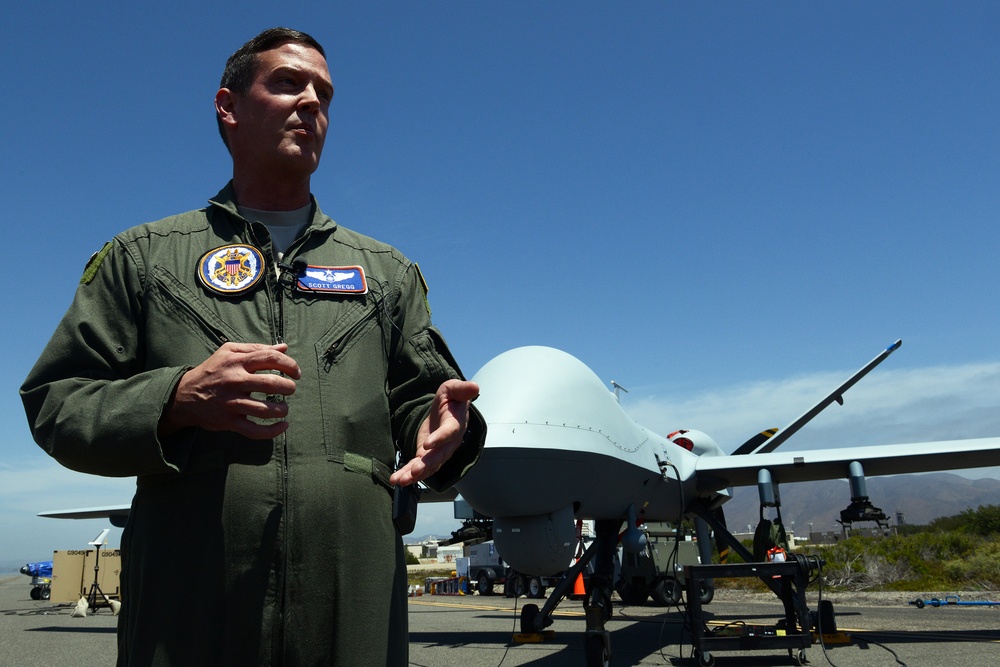
— Episode 03 Interactive Tactical Simulation
The Drone That Replaced the Pilot
📅 2012
📍 Kunar Province, Afghanistan
🌡 8°C
🌬 3.2 m/s N
⏱ ~12 min read
Col. James ‘Snake’ Clark
Afghanistan, 2012
Col. James ‘Snake’ Clark
IPB: Mountain Warfare and the Limits of Line-of-Sight
★ One Pilot, Two Aircraft, Simultaneous Combat
For CBRN-CADS: the chemical officer stays in the safe zone (Tier 1). The BLIS-D mothership drone enters the contamination (Tier 2). Micro-drones swarm the hot zone (Tier 3). Same architecture. Different mission. Same principle: humans command, machines risk.
Decision Architecture: LOI Levels as Trust Gradient
▸
▸
▸
▸
MUM-T CBRN-CADS 3-Tier Architecture Simulator
INTERACTIVE
| CAS ORIGINAL | CBRN-CADS | SELECT VARIABLE |
|---|---|---|
| Manned Platform | Tier 1: Command | |
| Drone Type | Tier 2: Mothership | |
| LOI Level | Autonomy Level |
▶ AI RECOMMENDATION
ALL EPISODES →
© 2026 CBRN Tactical (cbrntactical.com) — UAM KoreaTech. All rights reserved.
→ CBRN-CADS EP.01 — The Voice in the Sky: 9 Lines That Save Li
→ CBRN-CADS EP.02 — Danger Close: When CAS Almost Killed Its O
→ CBRN-CADS EP.04 — 90 Seconds to Live: The CBRN Time Paradox
Company Overview

Park Moojin
CEO, UAM KoreaTech | Tactical Prompt Engineer Military History & Psychology
Architect of CBRN-CADS — an unmanned aerial decontamination system combining high-temperature dry decontamination with autonomous flight. First-author inventor of 21 intellectual property assets (domestic patents, international PCT filings, technology transfers, and trademarks) in airborne gas sterilization and CBRN decontamination. Bridging defense technology and AI to create decision tools that save lives in contaminated environments.
- 공유 링크 만들기
- X
- 이메일
- 기타 앱
이 블로그의 인기 게시물
CHEMEX-26: What the Baltic Sea's Largest CBRN Drill Reveals About NATO's Readiness Gap
CBRN-CADS EP.07 — AI vs the Chemical Officer: When Machines Make Better Decisions

댓글
댓글 쓰기