CBRN-CADS EP.01 — The Voice in the Sky: 9 Lines That Save Lives
- 공유 링크 만들기
- X
- 이메일
- 기타 앱
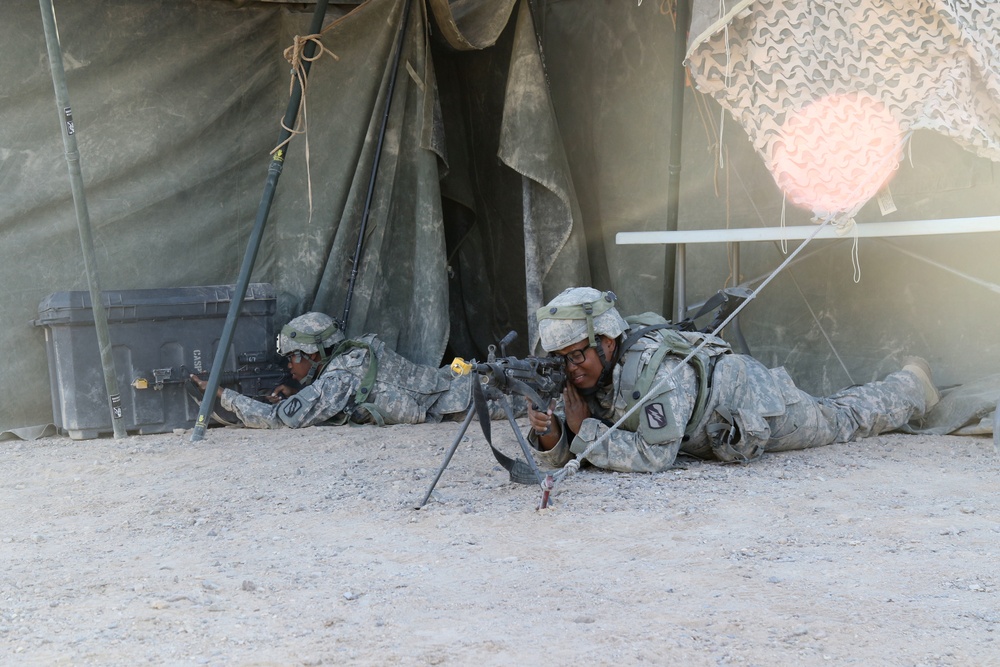
— Episode 01 Interactive Tactical Simulation
The Voice in the Sky
📅 1942
📍 Solomon Islands, Guadalcanal
🌡 32°C
🌬 2.1 m/s SE
⏱ ~12 min read
Capt. Harold Holt
Just After Dawn, Solomon Islands, 1942
Capt. Harold Holt
IPB: The Radio Channel as the Battlefield
Environmental Impact: Jungle canopy blocked visual signals. Terrain created radio dead zones. Humidity degraded equipment. The only reliable link was voice radio — and voice was imprecise, emotional, and prone to error under fire.
Threat Analysis: The enemy wasn’t just the Japanese — it was information entropy. Every second of unclear communication multiplied the probability of bombs landing on friendlies.
Available Resources: Radio (1 channel), map (often inaccurate), human voice. The most critical resource: a format that could compress tactical reality into transmittable data.
★ Nine Lines Changed Everything
Captain Holt didn’t build a new radio. He built a new language.
He realized that every CAS request required exactly the same categories of information, in the same order, every time. By standardizing this into a rigid format — what would evolve into the 9-Line CAS Brief — he eliminated the chaos of freeform communication.
Nine lines. Nine pieces of data. That’s all a pilot needs to deliver ordnance precisely:
Line 1: IP/BP (approach point)
Line 2: Heading
Line 3: Distance
Line 4: Target elevation
Line 5: Target description
Line 6: Target location
Line 7: Mark type
Line 8: Friendlies location
Line 9: Egress direction
The format compressed 2 minutes of confused radio traffic into 30 seconds of structured data. Pilot decision time dropped by 75%. Friendly fire incidents fell dramatically.
The weapon wasn’t the bomb. The weapon was the format.
The Architecture of Compressed Decisions
Before the 9-Line: each FAC invented their own way to describe targets. Some gave grid coordinates, some gave landmarks, some pointed with smoke. Pilots had to mentally decode each unique format while flying at 300 mph. Error rate: catastrophic.
After the 9-Line: every request uses identical structure. Pilots train on this format until it becomes reflex. Mental processing drops to near-zero. The format does the thinking, freeing the human for judgment.
This is the principle that CBRN-CADS inherits: when chemical contamination is detected and every second of exposure increases casualties, there is no time for freeform communication. You need a format.
The format has evolved — Line numbers adjusted, digital transmission added — but the core principle remains unchanged: compress critical information into a rigid, trainable, repeatable structure.
Harold Holt’s innovation was not technological. It was architectural. He didn’t build a better radio; he built a better way to use the radio.
▸
▸
▸
▸
CBRN-CADS 9-Line Decon Request Simulator
INTERACTIVE
| CAS ORIGINAL | CBRN-CADS | SELECT VARIABLE |
|---|---|---|
| Line 1: IP/BP | Line 1: Contamination Type | |
| Line 2: Heading | Line 2: Contamination Center | |
| Line 3: Distance | Line 3: Wind Data | |
| Line 4: Target Elev. | Line 4: Friendly Positions | |
| Line 5: Target Desc. | Line 5: Decon Level Required | |
| Line 6: Target Location | Line 6: Contamination Area | |
| Line 7: Mark Type | Line 7: Equipment Sensitivity | |
| Line 8: Friendlies | Line 8: Urgency | |
| Line 9: Egress | Line 9: Post-Decon Action |
▶ AI RECOMMENDATION
ALL EPISODES →
© 2026 CBRN Tactical (cbrntactical.com) — UAM KoreaTech. All rights reserved.
→ CBRN-CADS EP.02 — Danger Close: When CAS Almost Killed Its O
→ CBRN-CADS EP.03 — The Drone That Replaced the Pilot: MUM-T O
→ CBRN-CADS EP.04 — 90 Seconds to Live: The CBRN Time Paradox
Company Overview

Park Moojin
CEO, UAM KoreaTech | Tactical Prompt Engineer Military History & Psychology
Architect of CBRN-CADS — an unmanned aerial decontamination system combining high-temperature dry decontamination with autonomous flight. First-author inventor of 21 intellectual property assets (domestic patents, international PCT filings, technology transfers, and trademarks) in airborne gas sterilization and CBRN decontamination. Bridging defense technology and AI to create decision tools that save lives in contaminated environments.
- 공유 링크 만들기
- X
- 이메일
- 기타 앱
이 블로그의 인기 게시물
CHEMEX-26: What the Baltic Sea's Largest CBRN Drill Reveals About NATO's Readiness Gap
CBRN-CADS EP.07 — AI vs the Chemical Officer: When Machines Make Better Decisions

댓글
댓글 쓰기